so you think you can teach?

Contrary to what you might think ("Oh, you can just show up, people watch you do your thing and you take their money...") a great workshop actually takes a lot of detailed planning to ensure that everything from the content and slideshows to the catering and location are taken care of.  While every workshop is different, there are certain elements which carry across the board from one to the next.  I'm going share with you some of how to make your burning desire to teach translate into a valuable learning experience.  I'll use the example of a "couples posing workshop" as my example but y'all are bright kids and can translate this into teaching about babies, Photoshop, riding a unicycle, making origami chickens, whatever...

I'm going to put a shameless plug in here and say that I am for hire whether you would like to start teaching a workshop on photography or fire eating.  I will not only help you develop your workshop but will assist with everything from getting the catering and swag bags prepared to ensuring that you have all the necessary releases, permits, licenses and visas required to safely and legally run your workshop.  Additionally, I will sit down with you and go over your course one step at a time to ensure that your content is relevant, interesting, and thorough from a consumer standpoint.  I can assist you with identifying your target market and developing your marketing campaign and materials, and lastly, look after collecting exit interviews/service surveys.  Call me.  ;)  But I digress...

Who will buy it?
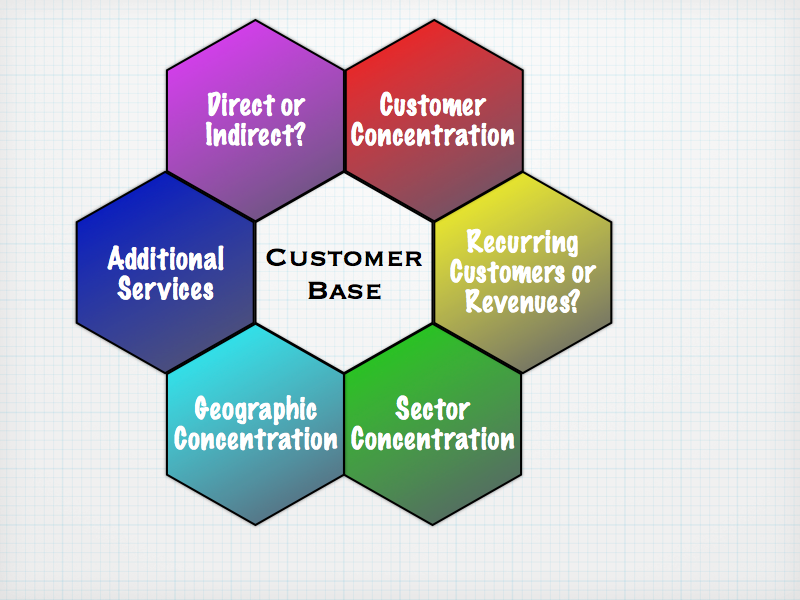
Unlike the field of dreams, just because you build a workshop doesn't mean people will come.  The first step you need to take is determining if there is even a market for whatever you are teaching.  Ask yourself: If the information is available for free online, why would people pay for it?  is someone else teaching this already, and if yes, when? where? what am I offering that's unique? what are other people charging for similar workshops?  if one doesn't exist, are people actually interested?  You need to spend some time understanding who your market is - do they expect you to have a formal education?  X number years of experience?  How much do they have to spend on professional development and what does that say about who they cater to as clientele?  If you do not have a clue about who you are selling to, you may waste your time researching and writing a workshop that no one will actually pay to attend because it's too obscure, too expensive, too common, etc.


Who will sell it?
It's entirely up to you whether to sell on your own or partner up with a presenter, facility, or host.
If you decide to host your own workshop, do you have the resources required to promote yourself?  Are you able to manage all marketing, sales and registrations?  Can you afford the risk of not working with a local organizer or host, especially if you are presenting someplace not in your own area?  If you are invited to teach and do not already have a contract that you use, you will need to define your expectations for the host/facility - are they handling all the marketing, sales and finances and paying you a fee regardless of how many people attend?  Or are you paying a rental fee?  A percentage of your gross sales?  Will you allow one or more representatives of the hosting organization to attend at a reduced or no cost?  If the host is taking a percentage or charging a per-participant fee, is their cut representative of the amount of work they are doing to facilitate or develop the workshop or would your profit margin be greater by just paying for your own rental facility and selling on your own?


Be the student.  ALWAYS.
If ever you have been to any kind of class, it shouldn't be too difficult to step into the shoes of a participant.  Doing this allows you to design the type of workshop experience you'd like to create, whether it's low-key and practical or frou-frou and elite.  Consider: Is it a catered event or do people bring/buy their own food?  Is the catering pizza and beer or crumpets with tea in real teacups? Would my subject be best learned in a classroom with computers or in a farmer's field?  Or both?  Does it need to be taught in a big city or can it work in a smaller centre, and how will travel needs affect my willingness and ability to attend?  If I'm in a computer intense workshop or a workshop with live models, what size of group will allow me as a participant to maximize my learning?  What topics are covered and are they relevant to my own business and creative goals?  Considering things like this will help you determine what your hard costs are going to be which in turn will affect how you set your pricing.  Remember that the type of experience you offer should be reflected in your pricing - you cannot expect people to pay top dollar for a workshop held in a cramped space with take-out pizza served on disposable plates any more than you can expect to make money off a workshop priced affordably but held in a 5-star hotel with lobster tails served on antique china for lunch.

Where and when.
Let's assume you have determined that you need a large room that will accommodate up to 50 people at tables that is located within walking distance of a park or green space.  You know that you need 2 full days to cover your material and that between May and September a good portion of your target market reserves Saturdays for shooting weddings and Sundays for recovering but that most of them probably have day jobs that would prevent them from attending a weekday event.  Traveling in the dead of winter in Alberta is unpleasant as is shooting outdoors.  Wedding season starts up in May, so you decide on doing an April workshop so all your content is fresh and relevant.  That means to allow 10+ weeks of lead time will have you selling the snot out of your workshop by no later than the middle of January.

Calculate your expenses and hard costs.
Let's say you've decided to skip the host and throw a DIY deal.  You've found an upscale banquet hall in a central area with a full weekend available in mid-April that doesn't conflict with Easter or Spring Break.  You decide against full catering to keep costs down, but want to serve coffee, tea, and bottled water - don't forget to budget for creamer, filters, stir sticks, and sugar. You decide that instead of making everyone work with just one model, you are bringing in 4.  You may need to pay your models, HMUAs, and possibly costume purchases/rentals plus items for your styled shoot if you cannot get them sponsored.  You may need to consider hotel costs if they are traveling.  If you are just doing a straight up information/lecture session, you may only need to have some photocopied handouts or even just email a PDF afterwards which cost next to nothing, but if you are holding a more elite event, chances are good you should consider proper printed materials as well as putting together swag bags or prize draws, which you can try to have sponsored but you might have to pay for (or a combination) so include this when you're figuring out your expenses.

If you are traveling out of your own municipality, do you require a license?  If you are traveling out of the country, have you factored in the cost of a work visa for yourself?  Add those in before setting your workshop fee.  You should also factor in a salary for yourself, so you don't end up working for free.  The minimum amount you're willing to work for is up to you, but $250/day (clear after all expenses) isn't an unreasonable expectation for a presenter and for any NEW workshop built entirely from scratch I like to use a 4:1 preparation to presentation ratio.  So 2 days of presenting + 8 days of prep = $2500.

Decide what to charge.
You've tallied up your expenses and hard costs so you already know the minimum amount you need to break even.  So let's assume your hard costs plus salary for this workshop are $5000.  If you could sell out every possible one of your 50 spots at $100 you would break even, but there would be no room to undersell the event and nothing built into the budget in the event of unexpected expenses.  One way to "break-even" finance your workshop is to assume a 50% attendance rate, with a 25% OH SHIT margin added on top.  In our example, this would equate to a minimum of 25 participants at ~$250.

There is no "correct" amount to charge but the important thing when deciding what to charge is that you don't just pull a number out of your ass - your pricing needs to cover your costs as well as reflect the experience you are offering.  Some presenters will charge $2500/participant for a one day workshop and others will charge $100; one would assume that at the $2500 workshop you'll get some pretty sweet giveaways, and that at the $100 workshop you'll be brown bagging it.

Be the student.  Again.  To plan your content.
Now that you know when and where, to how many people, and for about how much you are selling your workshop, you need to tease out the key topics of your workshop so that people will know what you are teaching.  Are you teaching camera skills?  Just posing? Business strategy? All of the above?  What should people walk away knowing at the end of each section you are teaching?  A simple way of determining this is to quickly throw together an itinerary (don't worry - the times can and will change as you go along!) and outline how much time you plan to dedicate to each area.   Think from a student's perspective what you would most like to garner from the workshop content.  If teaching pose-flow is your thing, allowing students to shoot will interrupt the flow; if you think you'd like lots of portfolio shots schedule more time for participants to shoot; if you'd prefer a little more business guidance, cut back on posing and shooting time a bit.

Sell sell sell!

Now that you know what you are selling, your job as a marketer is about to kick into high gear.  You will spend several weeks advertising your workshop.  Your job will be to find the forums or groups where your target market is spending time, place ads in papers or online, advertise in magazines or on blogs where your market is likely to frequent, etc. etc.  Striking a balance between promoting your workshop and just irritating people is a very fine line, too, so it might not be as easy as you think.  You might want to consult with a professional who can assist with where you ought to advertise, how to design a campaign, how to write copy that will attract the participants you think would benefit, etc.  You may also wish for that company or individual to look after your ticket sales/registrations so you can spend your time focussing on fine-tuning your course content.  Remember that the wording you use will affect how your workshop is perceived - selling a $1000/day workshop and telling people their instead of they're getting free cupcake's with an apostrophe is not good...

Know when to pull the chute
Sorry to spill the beans, but the dirty little secret behind early-bird pricing is that it's not because we are super nice guys and want to give everyone a chance at a wicked discount but rather to give ourselves the ability to gauge whether we need to cancel the workshop or not.  If you have not gotten to your minimum quota by the time early bird sales are done, you need to carefully evaluate why your workshop isn't selling as well as you would like.  Is there another competing workshop by a cheaper or more experienced presenter appealing to your clients?  Are you priced too high that people cannot afford it?  Are you priced too low and people think it's too cheap to be worthwhile? Have you been promoting the event or just waiting on a wing and a prayer for it to go viral?  The end date for your earlybird sales should be far enough back that you can adjust your tack and sell harder to meet your quota if you're close, or to cancel or postpone it if you are way too far from your goal.

Be the student.  Again.  To write your material.
Your course content should have a natural flow to it.  Hopefully that flow was identified when you put together your itinerary/outline, so it's just a matter of beefing it up.  Your course content should also be interesting and engaging - if the content is so boring people are apt to nod off, you need to make sure you break it up, mix it up, keep it dynamic.  Getting people up and down out of their seats, injecting lots of humour, asking for audience response are all good ways of keeping your audience engaged during the "lecture" part.  Consider things like doing an ice-breaker at the start of your workshop to kickstart participant networking, ensuring that your participants will have adequate instructions, space, and time to follow through with in-class activities, and build time for water/pee/smoke/lunch breaks into your schedule.  Design your handouts and slide presentation in a way that makes them easy to follow/relate.  Avoid being too vague with your topics - if you plan to just stand up there and make shit up on the spot because you think you know it so well, people are going to figure it out.
Check, check, and triple check.
The days leading up to your workshop, do a thorough once-over of everything you need.  Do you have your handouts printed and your swag bags stuffed?  Did you remember the cream and sugar?  Do you have the required license/permits/visa?  Is all your equipment (computers, projectors, cameras, lights, etc.) cleaned, charged, and ready to go with all the necessary cables, batteries, and cords?  Are your models and HMUAs all still coming?  Things like confirming your catering, doing a final head count, sending out a reminder to your participants about what to bring will help you ensure that you've left nothing to chance, and your day will run as smoothly as possible.


The fine print
A random collection of things you might wish to take into consideration, in no particular order:
  1. Models. When choosing your models, make sure you select ones that relate to what you are teaching - bringing in a petite model to teach techniques intended for voluptuous women, 3 homophobic males to teach couples, or someone who is shy to pose for glamour nudes isn't going to work very well.
  2. Food.  Allergies prevent some people from attending altogether - make sure you inquire and let other participants know if they should (specifically) avoid bringing peanut products - and dietary restrictions for personal reasons need to be considered if you are bringing in catering.
  3. Potty mouth.  Sure, maybe you drop the f-bomb on a regular basis, and while you're teaching a workshop on PS retouching it's probably not going to be a big deal if a few slip, but someone teaching family photography probably shouldn't be telling Mom how fucking hilarious her kid is in front of said fucking hilarious kid.
  4. Sex. At Hooters you are welcome to put boobs in people's faces, but as a presenter your personal conduct should always be clean and professional.  It's always best to avoid sexual innuendo lest your humping of the furniture be taken out of context and reflect negatively on you  or worse, result in legal action if it is misconstrued as predatory.  This applies regardless of your gender and sexual orientation.
  5. Competition.  Some photographers like to restrict the participants to those who live a minimum distance from proximity of their own city or area.  This is to avoid training their own competitors and reducing the risk of losing clients to them, though honestly chances are good that if you don't teach them someone else will and would still steal your clients, so you may as well take your neighbour's money, too, no?

Be the teacher.
(yeah, that's all I got - I have to assume you know your shit well enough and have all the necessary credentials, experience, and applied knowledge to teach it so you're on your own here...)

Be the student.  One last time.
Learn from your students how to be an awesome teacher!  Once you have completed the workshop, it is REALLY important to follow up.  Have a "how did I do?" card in the swag bag or provide a link to an anonymous online survey they can do at home after the workshop.  As much as it might terrify you, without this feedback it will be impossible for you to know what you did well and what you can improve on.  Ask questions from your perspective if you were a student like, was it worth the money?  Was the content well organized?  What can we improve on? That sort of information is pure GOLD for when/if you decide to teach again as it will give you precise instructions on how to fine tune your workshop to meet or exceed expectations next time.  And if you get nothing but glowing reviews, then you know you've got it right!

I am sure I've forgotten a million things, but this should at the very least give you a running start.  Now go share your unique perspective and knowledge with the world!

popularity contest

Alright, photogs.  Today's post is actually about you pulling the wool over your clients' eyes.  Whether you are a business to business (B2B) or a business to client (B2C) company, you might be lying to your client.  Whether you are aware of it and doing it on purpose or have never considered it, I'm here with a little media literacy lesson to help you make your credentials rock solid.

In a society that is increasingly granting greater and greater privilege, prestige, and credibility to people who have really done little more than become famous, it's interesting to examine how this has a trickle-down effect into our psyche and more importantly, into our spending habits.  We're a society that is trained to consume smoke and mirrors more than substance, a tact which large companies spend millions on marketing development, but even a layman can employ with little to no effort or money.  In the age of "reality TV" (known as unscripted drama or simply "cheap labour" in the entertainment industry) where everyone is brainwashed into believing anyone can be and deserves to be famous, we are being taught as retailers how to mimic the cheapest form of advertising known to man: being the biggest bullshitter on the block.


Like it or not, winning the proverbial popularity contest these days can, in fact, translate to money if the game is played well.  While not everyone wants to drop a sex tape on the scene to kickstart their career as a famous person, it's certainly cheaper than paying for a marketer to whip up a proper campaign.  The real question lies with whether you, as the person selling yourself, feel that your value to your clients has actually increased as a result of having the most likes on Facebook or if you're basically looking to get paid for being a Kardashian.  Becoming buzzworthy has become the gold standard for turning a quick buck rather than striving to become a trusted brand.  Our collective fascination with celebrity is unfortunate because it hinders our ability to recognize much less find responsible corporations who found their business on ethics, support fair trade, pride themselves on providing quality service, etc.

While every once in a while you might get screwed trying the restaurant that got voted the city's "best new dinner menu" it's actually pretty easy to tell if you're about to be hooped into the hype when you have the tools to read between the lines.  I want you, the seller, to stop looking at your clients as cash-pots and practice viewing your sales pitch from your customer's perspective.  I'm going to use Dove, a company that many women deem "trustworthy" due to their recent viral video successes for our case study, as it is a perfect example of how things are not always be what they seem when clever minds set out to dupe develop their consumers.

Dove has a long history of selling you something while claiming they are not selling what they are selling, beginning with calling their soap a cleansing bar, not soap, that moisturizes, not cleans.   Dove has since become very successful with its "real women" campaigns, selling beauty products that shun the beauty industry.  Between its humble beginning as the bar that creams while it cleans and the sketch artist bit it released on April 14th of this year, lots of women feel like these ads really resonate with them, but there's lots going on here.  Let's watch a commercial from 1986.


"Marte" is not a celebrity.  In fact, she's just some average everyday lady, like the other just some average everyday lady types, who were featured in these "why I use Dove" ads from the 80s.  While many of them featured cute normal and boring stories from just some average everyday lady telling about why she uses Dove or the positive feedback she has received as a result, this one actually features a double-whammy - Marte's endorsement, backed up by a claim that "More dermatologists recommend Dove than any other soap."

The messages the viewer has very thoughtfully been given are: this is an average woman, a woman like me, who pushes around a shopping cart, who buys Dove and more dermatologists recommend it than any other soap... and it's not even soap, it's moisturizer... Pretty great, right?  Whoa.  Back the truck up. You've been lulled into trusting this brand.  Before you start thinking how great Dove is, remember:

1) Actresses are paid, and even if this was from one of Dove's casting calls for "regular" ladies, she was not a random participant.  She was paid somehow to say what she said.
2) "Recommended by more dermatologists than any other soap" is a fancy way of saying Dove is recommended 4% of the time and no other soap is recommended more than 3.99% of the time.  The point they haven't bothered making is that 96% of the time anything else BUT Dove is recommended.
3) Dove is soap.  It is soap sold to women.  If you have boobs and are not built like a supermodel, you are their target market.

You could say the same about the current Dove sketch artist commercial.  The participants responded to a casting call. They are not random participants.  The sketch artist is the equivalent "expert" to the dermatologist.  And Dove wants you, a woman, who isn't a supermodel, to buy their not-soap.

Now, I am not saying that Dove is a bad company or anything and frankly regardless of the motivation,  I absolutely LOVE the messages they are putting out there for girls and women.  But not for a second do I lose sight of the fact they are selling me stuff, period.  And, they are but one small company in a larger conglomerate (Unilever) that also sells SlimFast and Axe body spray, and they will tell you (the target market) whatever you want to hear (in this case that guys will get laid more if they use Axe) to make you buy their products by exploiting exactly the type of hegemony they shun in the Dove commercials.


Sneaky, right?  I know.  Now that I've peaked your cynicism, let's move forward, shall we?

~~~

Obviously, as a photographer, you aren't subjecting your clients to *quite* this type of marketing, but some of you might have an inkling that something is off either when reviewing someone else's credentials or perhaps your own... and not quite be able to put your finger on why it feels "dishonest."


The Myth of a Membership
A lot of photographers like to slap the logos for different photography organizations they belong to up on their blogs and websites.  Unlike a professional designation, which requires some sort of testing, anyone can become just your run of the mill paid member of any one of a number of "professional" organizations including the PPOC, WPPI, NAPCP, and more.  Unless you've applied for and been granted certification, all the badge on your site says is that you paid your dues this year.  Not sure about that? As a paid member who is currently registered as a "dogtographer" with a major international organization, I assure you they don't check applicants out before approving them.

The Myth of the People's Choice Award
Possessing a "People's Choice" award seems to lend a certain type of credibility but frankly it's bogus. When you put this on your website and call yourself "award-winning" you're right up over there with Barbara Walters telling the Kardashians they are famous for being famous.  You'll often see things like, "Voted best new restaurant!"or "People's choice for best chiropractor!" and y'all gotta know it's a ruse - the people running enter themselves or are entered by a third party with a vested financial or personal interest.  There is little if anything that is organic or authentic about it whatsoever.


If you're in the wedding industry, chances are good you've seen some of your friends begging for you to go vote for them at the Wedding Industry Experts site.  Since you are only taken to their personal voting page which contains no relevant information, I've taken the liberty of digging around and bit.  Here's the first thing you need to know: there is no pre-qualification and no verification of skills, background, or experience.  They also don't look into the quality of service, products, or any of those other things that might actually lend themselves to determining any kind of expertise or credibility.  Even the peer-reviewed "expert" designation is self-entry, not juried by other "experts" in the industry but endorsed by your other "friends" in the industry.  Some of the entrants in some of the categories don't actually have anything to do with weddings but just wanted in the race - do you really think people should value a company advertising that it was voted "best wedding studio" when that company's focus is on boudoir?  I actually suggested a newborn photographer I know should make up a new category called "Best Proof of Consummating a Marriage" so she wouldn't feel left out.  Also, it doesn't factor out any entrants who are in categories with no competitors.  What kind of hollow victory is THAT?

(Ditto for winning an award for photography when it is the result of you entering your image into a "vote for my photo" contest, by the way...)

The Myth Behind Feature Articles
Let's just be honest here - except in extremely rare cases, telling people you have been invited to submit to an online magazine is a bit like telling people you've been invited to the grant opening of Target Canada.


In much the same way that a people's choice award isn't organic, getting published in wedding magazines isn't a random thing either.  Wedding blogs include instructions on how to submit your images for publication and a large portion of the content is from "styled" shoots by vendors and suppliers who want to sell their shit to brides, not from actual weddings.  Blogs like Pictage's The Photo Life accept unsolicited feature articles and editorials that they do not fact check (or spell-check or grammar check) but publish as-is and you, as the person submitting, will never know if they genuinely liked your work or article or if they just had a slow week and wanted some filler.  The point is, there are no credentials granted after having an article accepted for publication beyond proving that you have succeeded in ruthless self-promotion.

~~~

None of these tactics are inherently or in and of themselves "bad" and it's not wrong to want to make enough money (enough is a different amount for everyone by the way).  And if it's your true aspiration to be famous, play the game well enough and you, too, can be a rock star photographer.  I'm not judging anyone's personal goals here.  Hopefully, though, you have better understanding of how critical thinking can help you read between the lines of what advertisers are selling YOU, and more importantly realize that people are going to read between yours, too.  If you are the type to say there are a tonne of people dumb enough to not care and all the better for me and my pocketbook, I say, knock yourself out - you will find plenty of people happy to pay for your fame.  More likely, though, if you're like most people (even the ones who openly admit they *do* want money and kinda like the attention that comes with fame) you will probably say, "But I'd like my clients to see that I actually DO value them and take pride in my craft..."


My best advice?  Let go of trying to give people the "appearance" of something, and adopt a policy of just being 100% transparent.  Be the polished turd, if you will.  It 's not a bad thing to have a people's choice badge or get featured in a magazine and the outpouring of love will probably feel pretty great, but once people get past the smoke and mirrors, you want to make sure you have some substance to offer.  Below I've included some ways you can build credentials that extend well beyond popularity and luck.

1) NUMBER ONE... Numero UNO... first and foremost.... Provide superior knowledge and expertise, only deliver excellent products, and strive to provide top notch customer service.  Shoot shoot and shoot some more.  Become a master in your own right and let your work speak for itself.  If you relied 100% on word-of-mouth referals and never advertised to a single person or gained a second much less 15 minutes of fame, this recipe would ensure that no one could knock your company.  There are hundreds of successful entrepreneurs out there who fly completely under the radar because they don't have to advertise - business consistently comes to them because their positive reputation precedes them.  You want to be THAT company.

and... if you want to flaunt it:

2) Enter reputable peer-juried competitions.  Unlike "popularity" type contests where there is no formal process for granting merit to the quality of your work and quantity might easily mean you did a groupon and got 500 new clients, placing in a contest with a proper peer review process certainly says a lot more about you as an artist.  And yes, some of these contests are going to appear to be rigged and it's all still subjective anyways, but generally speaking you stand a much greater chance of being awarded merit based on the quality of your work this way than when you win based strictly on the number of friends you have who were diligent in voting every day.

3) Consider professional designation.  While many of us don't have formal schooling, you might want to consider something like working towards obtaining Master of Photographic Arts (MPA) through the PPOC, the only Canadian company that can get you credentials in Canada.  There is a submission process requiring you to successfully meet industry standards for quality, clarity, etc.  Again, while there is some level of subjectivity in the jury process, it will still hold a little more clout than bragging your new group got 500 likes on Facebook.  (Of course your Grampa liking your FB page counts, just not in a credible way like if your Grampa is Ansel Adams...)

4) Avoid recruiting testimonials on your interactive pages.  It's one thing to publish testimonials on your static webpage.  It's something entirely different for a client to spontaneously tweet a love note or randomly rave about you on your Facebook page or put a lengthy compliment on your blog post.  And to actively solicit or request them just look desperate.  While testimonials might happen in clumps, especially after an event or function, suddenly having a substantially huge number of people all rave about you on the same day is going to look obvious.  Every time I stumble across this, I cannot help but giggle.  At least get people to wait a day or two between testimonials if it's not going to be organic...

5) Boast the workshops you've taken or taught.  Education, whether formal or peer-to-peer, is professional development.  Taking workshops and classes shows a dedication on your part to bettering yourself, which will in turn expand your skill set and give you more tools to serve your clients with.  If you are teaching, this demonstrates that you have the level of expertise that others find appealing.  Either way, incorporating a commitment to lifelong learning into your business model is smart and gives people confidence in your company to be dynamic and up to date.

~~~

I've said for years that I will never win any popularity contests.  I simply lack desire to be judged on how well I am known, by how many I am known, or how well I am liked.  The lucky thing about this refusal of a popularity-based system is that it's a two-way street.  I am not a social climber and have no interest on stepping on you, nor do I have anything to offer you as a means of a stepping stone on your way past and above me.  Though I have, on occasion, been more than happy to slingshot people past me and watch them soar, because as a pedagogue at heart I find that more rewarding than anything.

Obviously I could explore a million more avenues with this but I think I've made my point perfectly clear.  Whether you are a buyer or seller in the current market place, understanding how things are encoded and expected to be decoded will grant you some insight on what's written between the lines.  What you want customers to read between YOUR lines is up to you.  Now, shut up and shoot.

win-win photography forums

For the record: I'm not interested in participating in groups where people are selectively censored by self-interested moderators, and you shouldn't be either.  I'm going to explain why, but first read this:

I posted the following in a supposedly "professional" Edmonton photographers network and share group yesterday, but requested that it be deleted so I could avoid drama. I now regret asking for it to be deleted.  Not pointing out injustice because I was afraid to deal with bullying wasn't a good reason to put a gag order on myself.  Standing up for myself wasn't about causing drama; it was about standing up for myself.


~paste~ ADMIN A wrote: 

For those selling or self promoting: in order to keep the group more of a chat group, if you have self promotion things , events or things to sell, please add them to a file in the above tab.

HOPE wrote: 

I'd just like a little clarification from ADMIN A or ADMIN B regarding what this means. I have had the last two posts I made regarding a social event (a party) I am hosting on June 7th DELETED but was not contacted or given any reason. Then the above notice pops up. I'm curious why my posts, which were NOT selling anything, were deleted when these other recent posts were allowed to stay?:

~paste~ ADMIN A wrote: 

If any of you have friends who need to learn how to use their camera, can you please share this, we have 2 seats to fill ---> (insert event link here)

~paste~ POSTER Q wrote: 

I'm helping to organize an event with a guy who is a marketing expert, and specializes in helping photographers learn how to MAKE MONEY! interested in attending an evening workshop? Learn more here (insert event link here)

HOPE wrote: 

I'm also not the only one who has invited people to attend a social gathering in this forum.

~paste~ ADMIN A wrote: 

Looking forward to meeting some new faces today!!! (insert event link here)

HOPE wrote: 

and I don't know what "self-promotion" looks like, but I'm assuming that this looks a lot like this:

~paste~ ADMIN A wrote:

Pretty exciting stuff!! (insert link to unsolicited promo piece submitted to an online magazine by ADMIN A)

HOPE wrote: I guess I have two questions.

  1. Are members randomly selected for censorship?
  2. Is ADMIN exempt from following its own rules?
I look forward to an answer.

ADMIN B was unaware of any posts being selectively deleted.  ADMIN A, sadly, had no good explanation, but there wasn't any needed.  I had clearly been singled out for exclusion from sharing my event.  I have every reason to believe that this had nothing to do with trying to keep things chatty and everything to do with ADMIN viewing me as a threat and censoring my event to protect personal interests.


***UPDATE***


As feared, I did in fact receive a bullying cease and desist note from the moderator of the forum.  I'll paraphrase.  "Why yes, you were indeed selectively censored due to a legal clause for something that isn't related to your party at all.  PS you hunch was right - the forum really IS for my/our/my company's own use even though it's not specified in the terms of use, but don't you dare go public with this because I'll tell everyone it's defamation of character."


What's that saying about karma?  Leave someone enough rope and they will always find a way to hang themselves? I'm so glad I didn't try and make a macrame hanger with it. Never macrame angry.


~~~

Here's why, when your spidey senses tingle, should pay attention to your gut and stay away.

The above act of censorship was presented in such a way that people would get the impression it was merely a policy change.  It's sneaky and sloppy but is not an uncommon tactic used when moderators of a forum have decided to clean up their membership.  They will put new restrictions in place or redefine existing ones to target an increasingly smaller demographic that oddly excludes people they look down upon or don't get along with in the forum.  The policy might be, "Anyone who has less than 3 years of experience is not eligible to join..." and the next year they might update it to, "Anyone who has less than 4 years..."  Not only does this allow them to keep their elite group intact but it permits them to block the people they previously ousted from ever being able to rejoin.  When an individual or group of individuals suddenly disappears from a forum, it's not a bad idea to ask them what happened - people often have a good reason for leaving.

At the core of reputable online forums is the spirit of creating win-win business relationships.  The forum owners benefit from the sense of goodwill they build for themselves within the community, as much as the community at large is raised up by sharing of resources, information, and knowledge.  Ideally a support network develops where people can both seek and offer advice, find a second or back-up shooter, learn about upcoming professional development and networking opportunities, and exchange or circulate equipment, gear, props, and more. Beyond this, strong interpersonal relationships engender a warm, accepting community rich with people we can not only geek out with about gear without their eyes glazing over, but with whom we feel comfortable enough to vent or unleash about professional challenges.  

A good moderator or admin team should work like bowling bumpers, not umps.  They should ensure things are heading in the right direction and let people know when they are headed for the gutter so they can self-correct.  They should redirect people without using public humiliation or intimidation.  Good mods will only censor as a last resort and banish someone when they have proven themselves to be intentionally hostile and toxic within the group. They moderate with diplomacy, transparency, and equity.  And people enjoy participating because they feel everyone's interests are encouraged, supported and protected.

If you belong to a community where there is clearly an "in-group" with rubbery rules, it is not a win-win photography forum.  You will forever be on the fringe of a handful of people who control the conversations, pat each other on the bum, gang up on the same people, ignore or exclude specific posters, and censor others whose opinions they dislike.  You in fact may feel as if you are sitting in a bucket of scorpions who are as likely to sting one of their own as you.  I outgrew this kind of nonsense in junior high and repeat: I am not interested in participating in groups where people are selectively censored by self-interested moderators, and you shouldn't be either.


***UPDATE***

After receiving the note from the moderator, a further and perhaps more important question is raised about honesty. This kind of unethical promotion of a hidden agenda reminds me of the scandal with David Jay's "Opensource" forum, which was actually a platform for promoting a photographer tool called "showit." The ironic thing is, if Mr. Jay would have just opened a forum called "David Jay's networking forum sponsored by Showit" people would have joined anyways. People are so strange. I just don't get it.  

I know this industry can get really cut-throat, but anyone who knows me, knows how steadfastly I champion the ideal of a win-win community. There is room for ALL of us. When we start spending less time worrying about how to crush or belittle or invalidate those we perceive as potential threats to our own success, and more time focussing on bringing everyone else up around us so we ALL succeed, the industry becomes a much healthier, happier place to be.  This moderator clearly needs to take a deep breath and revel in his or her own beautifully successful business, which has at its core the same mandate: everyone wins. Perhaps then he or she will see that life is too short and people are too precious to spend a single second turning allies into enemies.

2013 DLS workshop dates

Before you sign up, it's important to understand that these workshops are progressive and intended to build up your skills and style over the duration of the series along with supplementary online exercises, gatherings, and more. (Don't worry - we have so much fun you won't care that what you're learning is supposed to be boring and dry...) While there is occasionally limited space to sign up for just one or two classes that you are interested in, it may not be possible to answer all of your questions if your skills are not at the level of those who have participated in the entire series. In that same token, even though you aren't graded and there is no pass or fail at the end of it all, missing workshops and skipping the online exercises will be detrimental to your progress and will interfere with your ability to keep up with the course content. (I promise, the exercises are limited to 20 or so minutes out of your week - easy peasy!) The DLS workshops are also intended to gear you up for starting a viable photography business photographing people - while there are components of the classes that cover the basics of all styles of photography, I cannot accommodate those specifically interested in specializing in landscape, architectural, macro, stock, etc. photography as I only teach what I know and love best - how to shoot people. :)


The cost of the main workshop series is $500 plus GST, with the option of adding on the Mock Wedding and/or the ALL NEW Bookkeeping Workshop. A $250 non-refundable deposit is due upon registration, with the balance due on or before December 31, 2012 or your space WILL be given to someone else. Snacks, water, & coffee/tea are provided throughout the day, however you will need to bring your own bagged lunch. Workshops are held at My Edmonton Studio located on the 2nd floor at 3460 - 91 Street. Please send an email requesting a registration package to h [dot] walls [at] shaw [dot] ca or call 780.906.3668 for more information.  Find the Studio on Facebook here, and all the courses here!

Sunday, January 20, 2013 - it's NOT about the camera
Start time: 10am
Finish time: 5pm
We'll learn a bit of photography history and by the end of the day you'll know what all the beeps, bells, and buttons on your camera are for, and have a basic understanding of photography lingo. You will understand how every camera on the planet is built on precisely the same technology, then learn what separates SLR cameras from P&S cameras. You will learn to love(hate) the phrase "Reciprocity Failure." We'll also go over a comprehensive list of the basic types of lenses on the market, what their benefits and drawbacks are, and what their common applications are. You'll probably go home with the urge to shoot everything that moves, and a rather pricey shopping list. Which is why it's good that you just learned that it's NOT about the camera... and will survive and thrive just fine without the $2800 IS f2.8 70mm-200mm lens...

Sunday, February 3, 2013 - composition, understanding light
Start time: 10am
Finish time: 5pm
This is the one that makes your brain ache, folks. While the composition portion is a relative breeze and one of the building blocks of taking great pictures, understanding how light works and how you can manipulate it to your advantage when creating different moods and effects is the key to unlocking all the greatest secrets of natural/available light photography. Whether you plan to use studio, natural, or available light, or a combination of all three, you also need to know how your camera's internal meter works, and what to do when it fails you. You'll walk away with a headache, and a burning desire to move all the furniture away from your windows.

Sunday, March 3, 2013 - technical critiquing, photo manipulation (in Adobe Photoshop) demo
Start time: 10am
Finish time: 5pm
I know - it sounds SO dry and boring... BUT - technical critiquing is a huge part of photography. We'll spend the first part of the day going through the process of deconstructing images using proper terminology so that you can develop the diagnostic tools that will be instrumental not only in looking at other photographer's work and being able to draw technical instead of just aesthetic inspiration, but in how YOU will master your OWN style and technique. Following this, we'll begin exploring some of the basics of Photoshop. I will do a brief demonstration of: skin smoothing, using unsharp mask, creating and using layers, tinting (vintage, antique), actions, and as much else as we have time for. This portion of the workshop is meant to give you enough basics that you have the confidence to explore and discover more on your own; you are welcome to bring your laptop and play along :)

Sunday, March 24, 2013 - portraiture and controlled lighting
Start time: 10am
Finish time: 5pm
Get ready for LIVE MODELS! Once we've gone through the fundamentals of how and why portraits are done (the easy part) and look at a couple of different controlled lighting set-ups (OCF and continuous) we're going to hone our skills on making the connections that are so important to separating cold and heartless snapshots from gorgeous, engaging portraits that have as much meaning to you as they do to your client. We will then have a group of models at our disposal for you to work individually and in teams with doing a variety of individual and group portraits. Always a fun workshop, be prepared to be surprised! If you have a flash for your camera, this is a great workshop to bring it to as we'll have a bit of time to play around with them!

Sunday, April 14, 2013 - breaking the rules, the business end of things
Start time: 10am
Finish time: 5pm
While we spent the first 4 sessions learning shooting skills, there comes a time when we get to break all the rules and just HAVE FUN! If we decide as a group we'd like to do a final project together, this will also be our opportunity to plan and discuss those details. The last portion of the day will be spent going over the NEW and IMPROVED Business End of Things - taxes, copyright, business licenses, professional printing, model releases, contracts, blogs, websites, marketing, advertising and promotion, and all other manner of things you need to consider if you intend to charge money for your services, whether as a portrait photographer, stock photographer, or art photographer. Even if you do not intend to shoot for full-time or supplemental income, there is a lot of valuable information to be taken away from this workshop that can help protect your interests even as a straight-up hobby photographer. Lastly, we'll look at something I like to call the "photography pyramid" which breaks down into simple terms the different types of clients and photographers, and how to get (or not get) yourself to where you want to be on that pyramid.

Add-Ons

NEW! Saturday, May 4, 2013 - bookkeeping for shutterbugs ASK HOW YOU CAN EARN THIS FREE!
Start time: 10am
Finish time: 5pm
Shoebox accounting is for hacks!  The Business End of Things covers the broader aspects of business management, but bookkeeping for shutterbugs is a walk through, hands-on experience with free or cheap accounting programs, apps, and peripherals that will help you keep your books in order.  We will also cover how and why it's important to do bank reconciliations, how to track and calculate GST remittances, and how to read common business reports (income statement, general ledger, etc.) Your accountant will love you...

This workshop is NOT limited to previous workshop participants. Up to 10 persons can be accommodated - please bring your wifi enabled laptop and your smartphone. Registration and payment deadline for this workshop is April 15th, 2013. Cost for workshop is $150 ($125 for previous series participants.)  Join us on Facebook here!

May 25-26, 2013 - all-night field trip with Team Clickin' Cancer's Butt at the Relay for Life
Start time: 3pm May 25
Finish time: 7am May 26
Location: University of Alberta's Foote Field
This has become a highlight of the workshops, where participants are given the opportunity to contribute their skills to an amazing event in support of the Canadian Cancer Society. Their largest single fundraising effort, which spans across Canada in countless cities, the Relay for Life is a powerful experience. If you are able to come and if you are interested in learning what photographilanthropy is from the ground up, slap on some comfy shoes and your camera, and let's go!  FREE!!!

June 9, 2013 - WEDDING WORKSHOP: wedding photography, mock wedding
Start time: 10am
Finish time: 5pm
Location: My Edmonton Studio
This is wedding photographer bootcamp. Instead of the love and marriage aspect, we're going to dive right in to the finer points of what every person dreaming of becoming a wedding photographer needs to know, from pricing strategies, wowing your client at your initial consultation, and contract inclusions/exclusions... to knowing the 'money shots' and some of the classic pitfalls of working with weddingpartyzillas and obnoxious guests. We'll spend a bit of time looking at some trends and tactics that work like a charm and others that fail miserably, discuss how to avoid getting price-point pigeon-holed, and then open the can of worms on all those little things you need to consider like bad weather contingency plans, assistants vs. second shooters, and to take or not to take destination weddings. You'll have the insider's look at the grit and the glory of shooting weddings, from start to finish, and once we've had the in-class theory, we'll waste no time in having you shoot a mock wedding ceremony & formals. And, of course, while we're hoping for good weather, if it decides to rain... you'll be getting your feet wet for real...

This workshop is NOT limited to previous workshop participants. Up to 20 persons can be accommodated. Registration and payment deadline for this workshop is May 15, 2013. Cost for workshop and wedding: $175 ($150 for series participants) and INCLUDES a pizza lunch for all models and participants. If you are interested in shooting the wedding just for fun, it is $25 for the mock wedding portion ONLY and does not include pizza lunch (unless you want to come a bit early and chip in a few extra bucks or bring dessert or something...)